Government Support for Senior Citizens in India
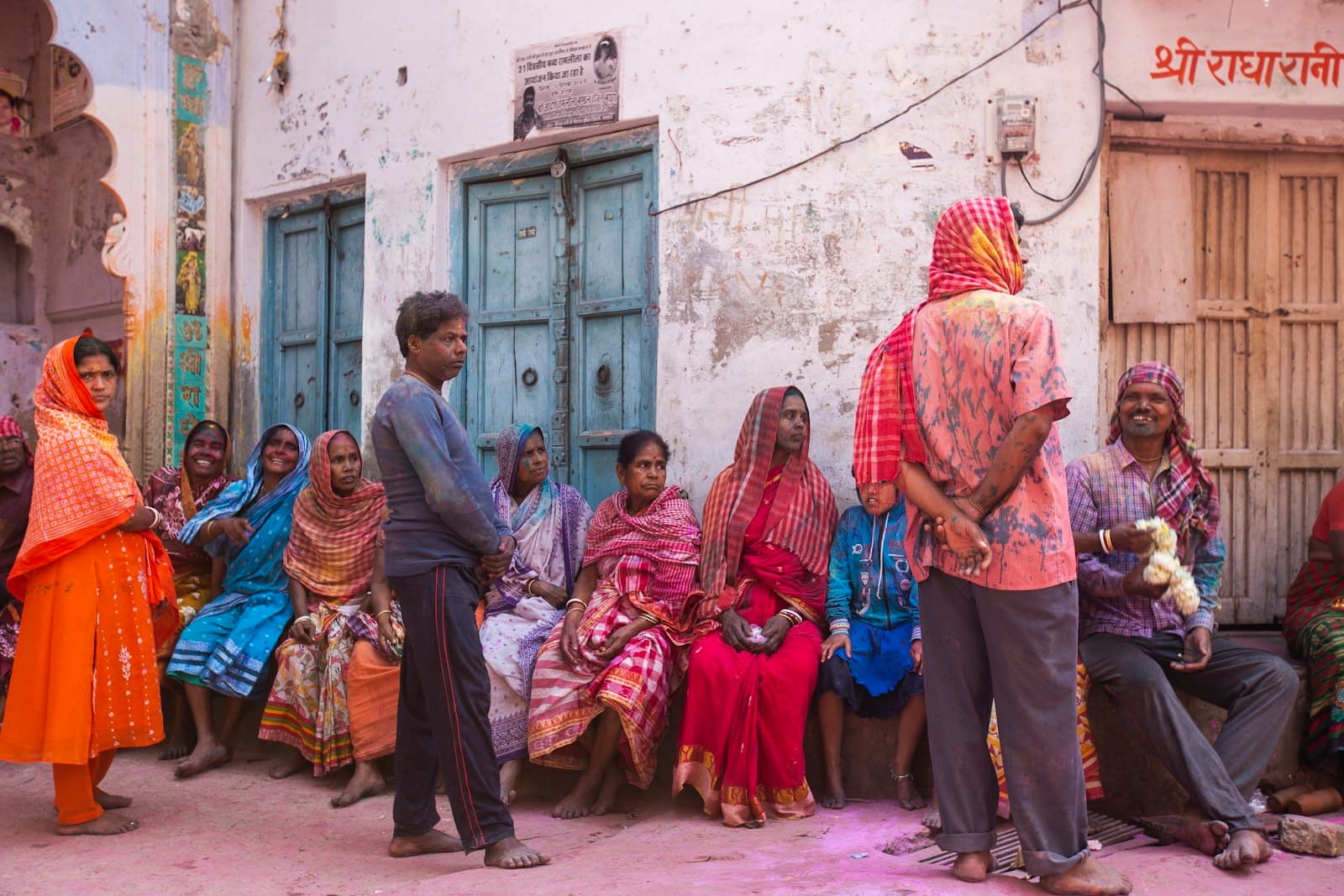
India's senior citizens have dedicated government provisions designed to ensure their welfare and dignity. Yet, many remain unaware of these benefits or find the process of accessing them daunting. This guide aims to demystify some key services and explain how you, or a family member, can effectively claim them.
Understanding Your Rights as a Senior Citizen
Becoming a senior citizen in India brings with it certain rights and protections, enshrined in various laws and policies. These provisions acknowledge the unique needs and vulnerabilities that can arise with age, aiming to provide a safety net and ensure a respectful quality of life. The Maintenance and Welfare of Parents and Senior Citizens Act, 2007, for instance, is a landmark legislation that specifically addresses the financial and emotional well-being of older persons.
Knowing about these provisions is the first step towards availing them. It's not about asking for charity; it's about claiming what is rightfully yours, ensuring you receive the support you deserve in your golden years.
Addressing Pension Grievances with CPENGRAMS
For central government pensioners, a common concern can be issues related to their pension – be it delays, incorrect calculations, or non-receipt of arrears. The Centralized Pension Grievance Redress and Monitoring System, or CPENGRAMS, is a dedicated online platform designed to address these very problems. It allows pensioners to register their grievances directly with the Department of Pension & Pensioners' Welfare.
To use CPENGRAMS, you simply visit the portal, register with your pension payment order (PPO) number and other details, and then lodge your complaint. The system provides a unique registration number, which you can use to track the status of your grievance online. This transparency helps ensure accountability and often leads to quicker resolution compared to traditional paper-based methods. But remember, this system is primarily for central government pensioners. State government pensioners or those receiving private pensions would need to approach their respective authorities or pension funds.
Maintenance and Protection under the Senior Citizens Act
The Maintenance and Welfare of Parents and Senior Citizens Act, 2007 (MWPSC Act) is a powerful tool for senior citizens who require financial support or protection from their children or relatives. Under this Act, children and specified relatives have a legal obligation to maintain their parents and senior citizens, ensuring they have basic necessities like food, clothing, housing, and medical attendance. The Act also provides for the protection of property belonging to senior citizens, preventing its wrongful transfer or usurpation.
If a senior citizen feels neglected or is not receiving adequate maintenance, they can file an application before a Maintenance Tribunal, which is usually presided over by a Sub-Divisional Officer or an officer of equivalent rank. The process is designed to be relatively simple and expeditious. The Tribunal will hear both parties and can order children or relatives to pay a monthly maintenance amount. So, if you find yourself in such a situation, know that there is a legal recourse available to safeguard your well-being.
Priority Services and Concessions
Many government and public sector undertakings offer priority services and concessions to senior citizens, recognizing their need for easier access and reduced financial burden. In banks, for instance, you'll often find dedicated counters or priority queues, and some even offer doorstep banking services for eligible seniors. Post offices also have special counters to expedite services.
When it comes to healthcare, many government hospitals provide separate queues for senior citizens in Outpatient Departments (OPDs) and may offer priority in certain services, where such facilities are established. For travel, Indian Railways, while having adjusted some of its long-standing concessions, still offers preferences like lower berth allocation for senior citizens when booking tickets. It's always advisable to check the current policy at the time of booking, as rules can change, and specific concessions can be dynamic. Some domestic airlines also provide discounts on base fares, though these vary by airline and are subject to specific terms and conditions. State-run bus services often have their own set of concessions too, which differ from state to state. And while the broad idea is to make things easier, it's always wise to inquire directly at the service point about the specific benefits available.
Frequently Asked Questions
**Q1: What documents do I need to prove I'm a senior citizen to claim these benefits?** Generally, you'll need a valid age proof document like an Aadhaar card, PAN card, passport, or voter ID card. Sometimes, an address proof might also be required. It's always a good idea to carry originals and photocopies when visiting government offices or banks.
**Q2: Can a family member file a complaint or apply for services on behalf of a senior citizen?** Yes, in most cases, a family member can assist. For formal complaints like those on CPENGRAMS or applications under the MWPSC Act, a written authorization or power of attorney from the senior citizen might be required. For simpler tasks like bank transactions or collecting documents, a letter of authorization is often sufficient.
**Q3: How long does it typically take for a grievance filed through CPENGRAMS or a Maintenance Tribunal to be resolved?** The resolution time can vary. CPENGRAMS aims for a timely resolution, and you can track its progress online. Maintenance Tribunals under the MWPSC Act are designed for expeditious disposal, often aiming for a decision within 90 days, though this can sometimes extend depending on the complexity of the case.
**Q4: What if my complaint isn't resolved satisfactorily through the initial channels?** If your grievance remains unresolved or you're not satisfied with the outcome, you usually have options for escalation. This could involve appealing to a higher authority within the same department or seeking legal advice. Tools like MyAlly can also help in identifying the correct channels for further action, including filing RTIs to understand the delay or inaction.
**Q5: Are these services and protections only for central government pensioners, or do they apply to all senior citizens?** CPENGRAMS is specifically for central government pensioners. However, the Maintenance and Welfare of Parents and Senior Citizens Act, 2007, applies to all senior citizens (defined as Indian citizens aged 60 and above) across the country, regardless of their pension status. Priority services in banks, post offices, and hospitals are also generally available to all senior citizens.
Family's Role: Supporting Without Taking Over
Family members often play a vital role in helping senior citizens access their entitlements. This support can range from simply explaining the benefits available to actively assisting with paperwork and online applications. Gathering necessary documents, filling out forms, or accompanying them to government offices can significantly ease the burden on older individuals.
However, it's equally important to ensure that this assistance doesn't turn into taking over. Senior citizens value their independence and dignity. The goal should be to facilitate their access to services, not to make decisions for them or to sideline their wishes. Tools like MyAlly can simplify the process of filing complaints and RTIs, making it easier for family members to assist without getting bogged down in paperwork, allowing the senior citizen to remain in control. A supportive family environment, combined with awareness of available resources, makes a significant difference.
Conclusion
Understanding and claiming the government support available to senior citizens is a right that can significantly enhance their quality of life.
No comments yet — start the conversation.