Your Child's Right to Education: Understanding the 25% Quota
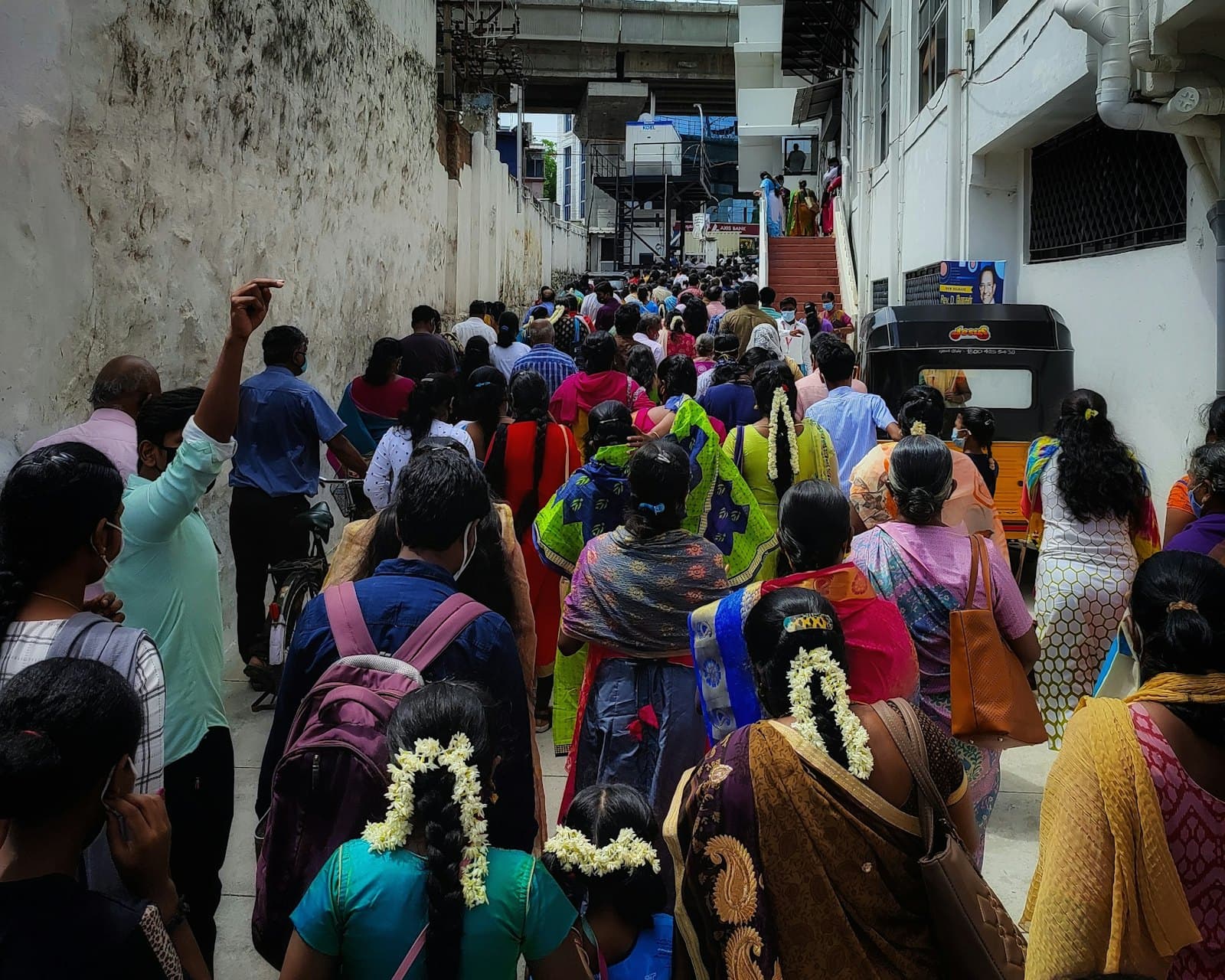
Every parent dreams of a good education for their child. In India, thanks to the Right to Education Act, 2009, there's a special provision that can make quality private schooling accessible to many families who might otherwise find it out of reach. This is the 25% quota, a powerful tool designed to ensure inclusivity in our schools.
What Exactly is the RTE 25% Quota?
The Right to Education (RTE) Act of 2009 is a landmark law that guarantees free and compulsory education for children aged 6 to 14. But it does more than just ensure government schools are available. One of its most significant provisions, Section 12(1)(c), mandates that all private unaided schools (except minority institutions) reserve 25% of their entry-level seats for children from "disadvantaged groups" and "weaker sections" of society.
Think of it as a way to level the playing field a bit. It means that if a private school has 100 seats in its entry class (usually Nursery, KG, or Class 1, depending on the state), 25 of those seats are set aside for children who meet specific criteria. The idea is to foster a more diverse and inclusive learning environment right from the start.
So, who qualifies? Generally, "disadvantaged groups" include children from Scheduled Castes (SC), Scheduled Tribes (ST), Other Backward Classes (OBC - non-creamy layer), children with disabilities, orphans, and children of migrant workers, among others. The exact list can vary slightly from state to state, so it's always worth checking your state's specific RTE rules.
"Weaker sections," on the other hand, usually refer to families whose annual income falls below a certain threshold, often defined by the state government. This is typically verified through an income certificate or by holding a Below Poverty Line (BPL) card. It's important to remember that these definitions are not universal across the country; each state government has the authority to define these categories based on local socio-economic conditions. And this is where many parents first encounter a bit of a maze.
The Application Process and Document Maze
Applying for the RTE quota can feel a bit like preparing for a big exam – you need to know the syllabus and have all your materials ready. The first thing to understand is that the application windows are entirely state-specific. There isn't one national date. Your state's education department, or sometimes the local municipal corporation, will announce the application period, usually through local newspapers and their official websites. Keep an eye out, because these windows are often quite short.
Most states have moved to an online application system, which is convenient but also means you need to be comfortable with digital forms. But before you even think about filling out forms, you absolutely must gather your documents. This is where many parents get tripped up.
Here's a checklist of common documents you'll need: - Proof of Age: Your child's birth certificate is essential. Make sure the name and date of birth match all other documents. - Proof of Residence: This could be your Aadhaar card, ration card, electricity bill, or voter ID. The address on this document must match the address you provide in your application and should ideally be within the school's designated neighborhood or zone. - Proof of Income/Category: If you're applying under the "weaker section," you'll need an income certificate issued by a competent authority like the Tehsildar or Sub-Divisional Magistrate (SDM). If you have a BPL card, that often serves as proof. For "disadvantaged groups," you'll need the relevant caste certificate (SC/ST/OBC non-creamy layer) or a disability certificate, if applicable. - Photograph: A recent passport-sized photograph of your child.
A common mistake is waiting until the last minute to get these certificates. Income and caste certificates can take time to process, so it's always a good idea to apply for them well in advance, even before the RTE application window opens. Another pitfall is having mismatched addresses on different documents or using an expired certificate. Schools are quite strict about this, and a small discrepancy can lead to your application being rejected.
Once applications are submitted, if the number of eligible applicants exceeds the available 25% seats in a particular school, a lottery system is used. This is a transparent, random selection process, usually conducted in the presence of parents and officials, to ensure fairness. So, if your child is selected, congratulations! You've cleared a major hurdle.
What to Do When a School Refuses Admission
Let's say your child has been selected through the lottery, you have all your documents in order, and you approach the school for admission. But then, for some reason, the school refuses. This can be incredibly frustrating and disheartening, but it's important to know that you have rights and recourse.
First, try to understand why they are refusing. Is it a genuine document issue that you can rectify? Or is it an arbitrary refusal, perhaps claiming no seats, or trying to charge fees? If it's the latter, remember that schools are legally bound to admit children selected under the RTE quota. They cannot deny admission or demand any fees from these students.
Your immediate step should be to gather all relevant paperwork. Keep copies of your application, the selection letter, and any communication you've had with the school. Document everything.
Then, it's time to escalate. You can complain to the following authorities: - State Education Department: Most states have a dedicated cell or officer for RTE-related grievances. This is often the most direct route. - District Education Officer (DEO) or Block Education Officer (BEO): These local officials are responsible for overseeing schools in their jurisdiction and can intervene. - State Commission for Protection of Child Rights (SCPCR) or National Commission for Protection of Child Rights (NCPCR): These bodies are specifically tasked with protecting children's rights, including their right to education. They can take up your case and ensure compliance.
You can also use platforms like MyAlly to help you file these complaints on official channels like CPGRAMS, making the process a bit smoother. The key is to not give up. Schools that violate the RTE Act can face penalties, including fines and even de-recognition in extreme cases. Your persistence can make a difference not just for your child, but for other families too.
A Small Example
Consider Mrs. Sharma, a single mother living in a small apartment in Bengaluru. Her income falls below the state's threshold, and she dreams of her daughter, Priya, attending a good private school nearby. She diligently applied for the RTE quota, ensuring her income certificate and address proof were all up to date. Priya was selected for a reputable school in the lottery. But when Mrs. Sharma went to complete the formalities, the school administrator told her, "All our RTE seats are full, madam. This list must be old." Mrs. Sharma knew this wasn't right. She had her selection letter, clearly dated. She calmly explained that the selection was official and asked for the specific reason for denial in writing. When they refused to provide it, she knew her next step was to approach the Block Education Officer with her documents and a clear account of what happened.
No comments yet — start the conversation.