Getting Your City's Problems Fixed
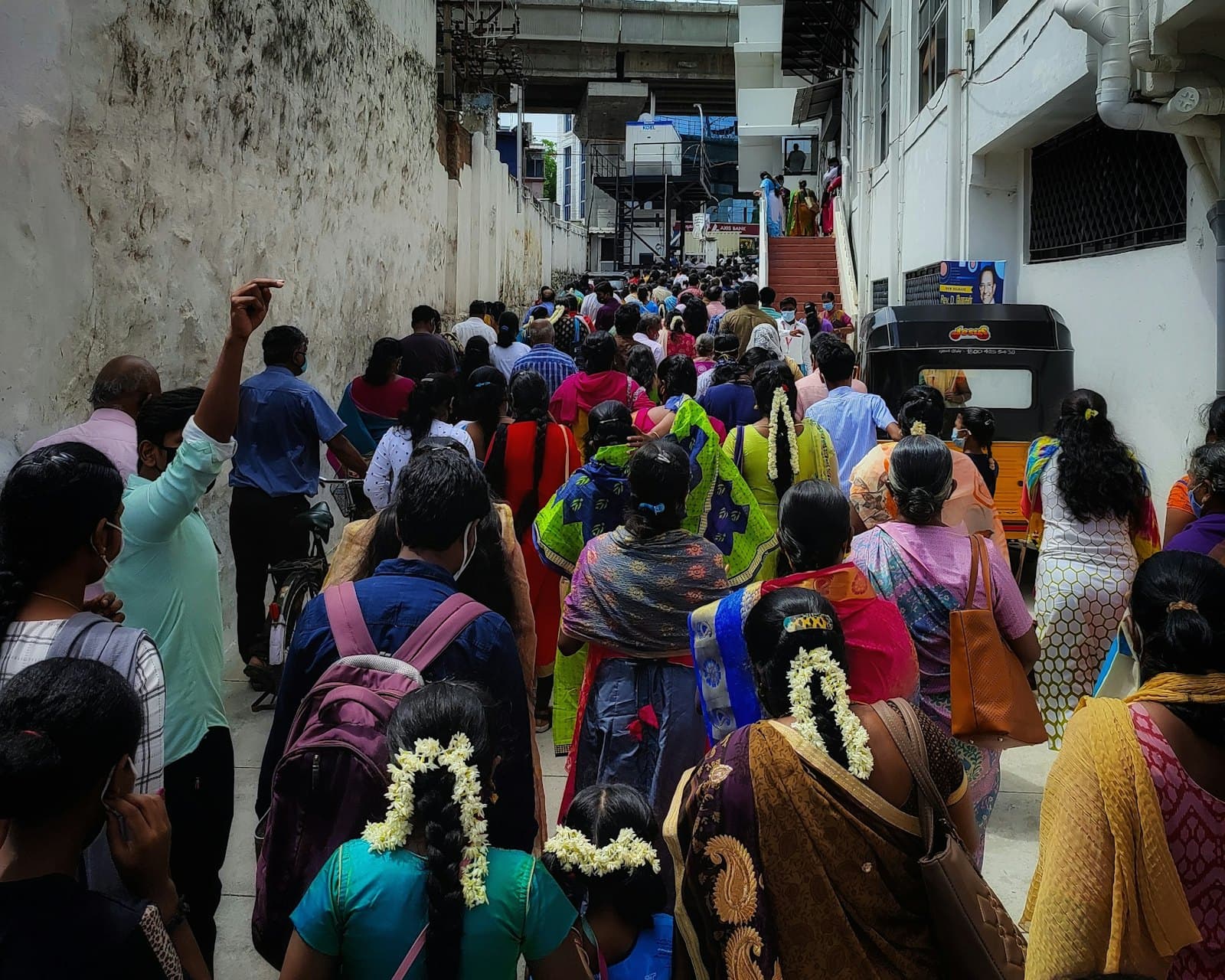
Ever stared at a pothole big enough to swallow a small car, or walked past a garbage pile that seems to grow daily, and wondered if anyone even cares? You're not alone. But here's the thing: getting these everyday civic issues resolved is often less about luck and more about knowing the right steps.
Knowing Who to Talk To
First things first, you need to know who's responsible. India's cities are divided into wards, and each ward has a councillor and a specific municipal body looking after it. Think of it like a local government for your street.
Finding your ward number and the name of your municipal corporation is usually straightforward. Your property tax bill is a great place to start, as it almost always lists this information. If you don't have a physical bill handy, most municipal corporation websites have a 'Know Your Ward' section where you can enter your address or pin code. You can also simply ask your local councillor or even a long-time resident in your area. They'll likely know.
It's important to remember that in larger metropolitan areas, there might be multiple municipal bodies. For instance, Delhi has several Municipal Corporations (North, South, East, and the New Delhi Municipal Council), each responsible for different areas. Mumbai has the Brihanmumbai Municipal Corporation (BMC). Knowing which one governs your locality is the first, crucial step in directing your complaint to the right place. Sending a complaint to the wrong body is like sending a letter without the correct address – it just won't reach.
The Power of a Good Photo
A picture, as they say, is worth a thousand words, especially when you're trying to get a civic issue fixed. Don't just snap a quick photo of the problem itself. While a close-up of a broken drain is useful, it doesn't give the full story.
Take a wider shot that shows the surrounding area – a landmark, a street sign, a shop, anything that helps pinpoint the exact location. This provides context and makes it much easier for the municipal staff to find the problem. If it's a pothole, place a common object next to it for scale – a shoe, a water bottle, anything that gives a sense of its depth and width. And if possible, take a photo that includes a timestamp or date, or simply make a note of when you took it. This adds credibility and helps establish how long the problem has been there.
Good photo evidence isn't just about proving the problem exists; it's about making it undeniable and easy to locate. It reduces the back-and-forth, saving everyone time and getting you closer to a resolution.
Where to Lodge Your Complaint
So, you've got your evidence, and you know who to complain to. Now, how do you actually lodge that complaint? Most cities offer a few options: dedicated mobile apps, online portals, or a good old-fashioned helpline number.
City apps and online portals are often the most convenient. They allow you to upload photos directly, provide detailed descriptions, and often give you a reference number instantly. The biggest advantage here is the ability to track your complaint's status online. You can see if it's been assigned, if action has been taken, or if it's pending. This transparency is incredibly helpful.
Helplines, on the other hand, offer direct human interaction. Sometimes, for urgent issues like a burst water pipe or a major power outage, speaking to someone directly can feel quicker. However, ensure you always ask for a complaint or reference number after your call. Without it, tracking your grievance becomes nearly impossible. And if you're someone who prefers a more traditional approach, you can always visit your ward office in person. Just be prepared for potential queues and remember to get a written acknowledgement or a stamped copy of your complaint.
For those who prefer a streamlined approach, platforms like MyAlly can help you file complaints directly to official channels like CPGRAMS or your city's municipal portal, ensuring your grievance reaches the right desk without you having to navigate multiple government websites or apps yourself. It's about making the process less daunting.
The Art of the Follow-Up
Once you've lodged your complaint, you'll almost certainly get a reference number. This isn't just a random string of digits; it's your golden ticket to tracking progress. And this is where many people stop, assuming the system will just take care of it. But sometimes, especially with non-urgent issues, a little nudge is needed.
Give the system a reasonable amount of time – say, 7 to 10 working days – for the initial complaint to be processed and for someone to assess the situation. If you don't see any progress, use your reference number to follow up. If you used an app or portal, check its status online. If you called a helpline, call them again, quote your reference number, and politely ask for an update. Keep a record of your follow-up calls: the date, time, and the name of the person you spoke to, if possible. This paper trail, or digital trail, can be invaluable if you need to escalate.
Remember, persistence pays off. A polite, consistent follow-up shows that you're serious about the issue and aren't going to let it fall through the cracks. It often feels like you're doing the municipality's job for them, but sometimes, that's what it takes to get things moving.
When Things Get Stuck
What happens when your complaint sits there, gathering digital dust, even after a few follow-ups? Don't despair. This is where you need to turn up the heat a little. Your next step is to escalate the matter to a higher authority within the municipal corporation.
Most municipal bodies have a clear hierarchy. If your complaint is about a pothole, for example, it would typically go to an Assistant Engineer, then an Executive Engineer, and then perhaps a Zonal Officer or Superintending Engineer. You can often find the contact details for these officials on the municipal website, usually under a 'Contact Us' or 'Directory' section. If not, a visit to your ward office might yield the information.
When you escalate, always refer to your original complaint number and briefly summarise the issue and the lack of action. Attach any photos you have. You can send an email, a formal letter, or even try to schedule an appointment. If the issue is still unresolved after approaching these officials, you can then consider writing to the Municipal Commissioner's office. Many cities also have a Public Grievance Redressal System or a state-level portal like CPGRAMS (Centralized Public Grievance Redress and Monitoring System) where you can lodge a complaint that gets forwarded to the relevant department and tracked at a higher level.
Let's say you reported a broken streetlight on your street. You got a reference number, followed up twice, and it's been three weeks. The light is still out. Your next step might be to find the contact details for the Assistant Engineer or Executive Engineer responsible for streetlights in your zone. You can often find these on the municipal website or by asking at your ward office. Send them an email, referencing your original complaint number, and politely explain that the issue remains unresolved. Attach the original photos again. Sometimes, a direct email to a specific officer can cut through the red tape faster than another call to the general helpline. And if that doesn't work, you might consider sending a similar email, or even a physical letter, to the Zonal Officer or even the Commissioner's office, again, with all your details and the complaint history.
No comments yet — start the conversation.